
There's a whole sky out there
Take the controls and see where the wind takes you
Find floating islands, explore ruins, get really good at gliding—no combat, no pressure, just you and the sky.
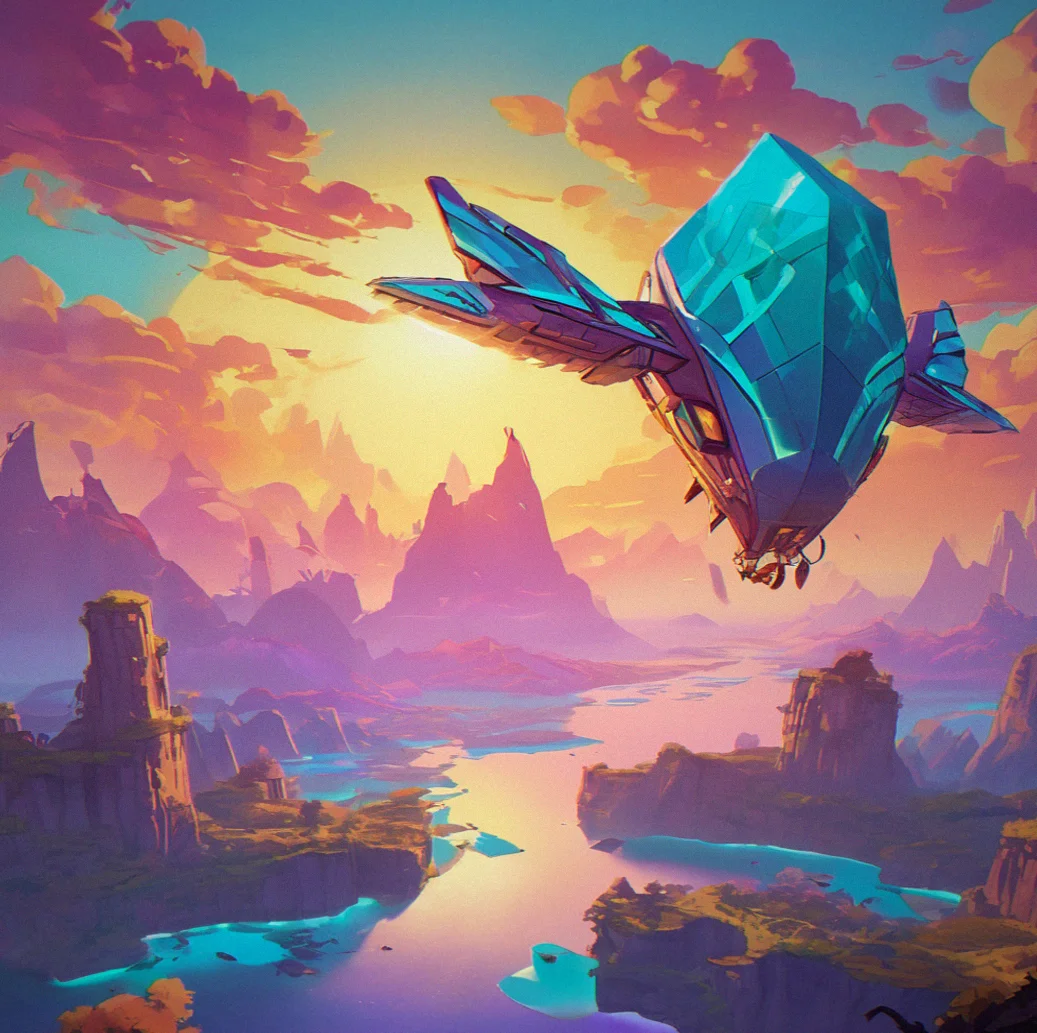
You're probably tired of the usual stuff. Games that trap you in the same loop over and over, chasing some ranking that doesn't really matter. Or flight sims that make you learn a million technical details before you can even move. Arcadia Pilot cuts through all that. You get a glider you can customize however you want, five gates scattered across the sky that test your piloting skills, and islands that look different every time you approach them. The real reward is that moment when you finally reach a ruin you've been spotting in the distance, or you stumble into a cavern and find a mission nobody told you about. If you loved Journey, Abzu, or Outer Wilds, you're going to feel right at home here.
ARCHIPELAGO
What Awaits in the Archipelago
Three islands, three different stories. Each one generated differently, so you won't see the same layout twice. But the real magic happens in the space between them — you're threading through sky gates, riding thermals, figuring out which way to go when the game isn't holding your hand.
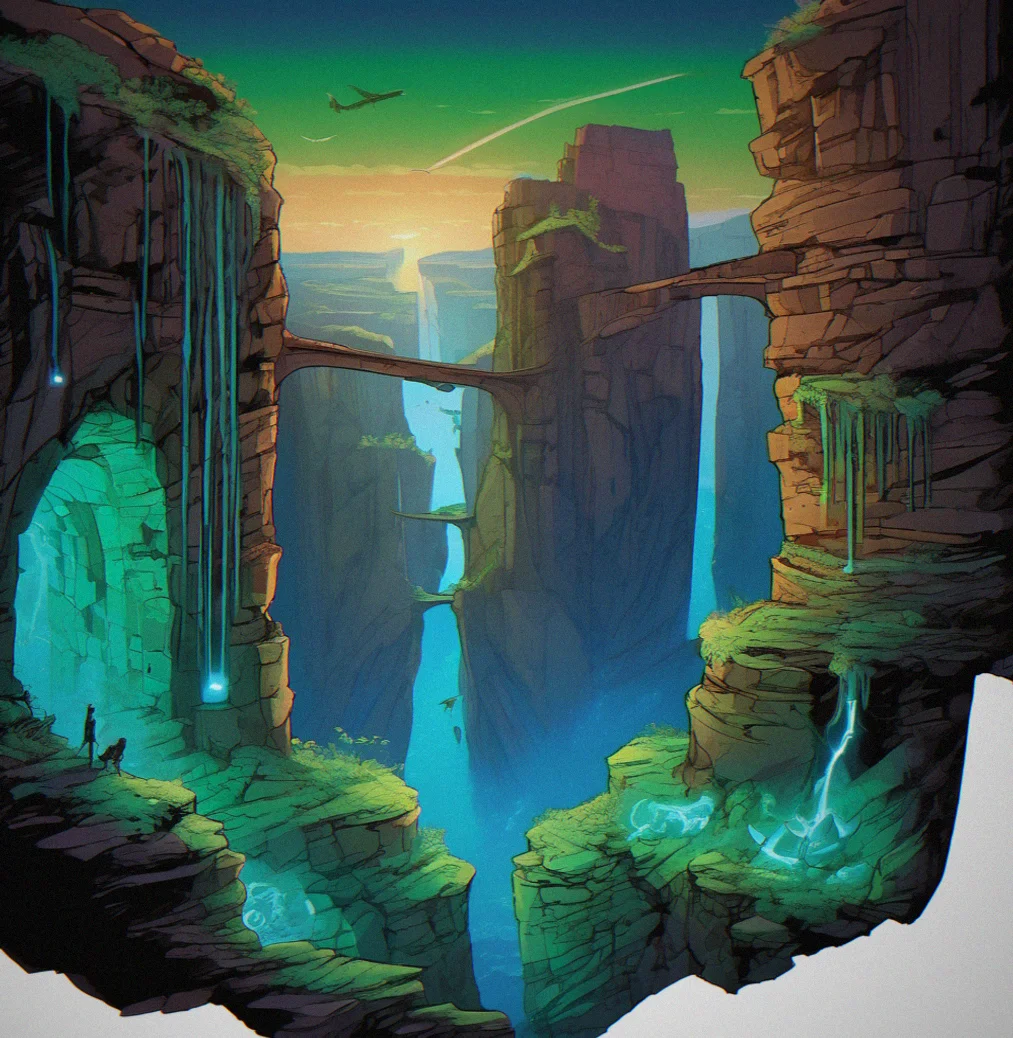
Hidden ruins tell you things without saying a word. What's built here speaks for itself.

Sky gates aren't there to frustrate you. They're problems your instincts solve by flying through them.
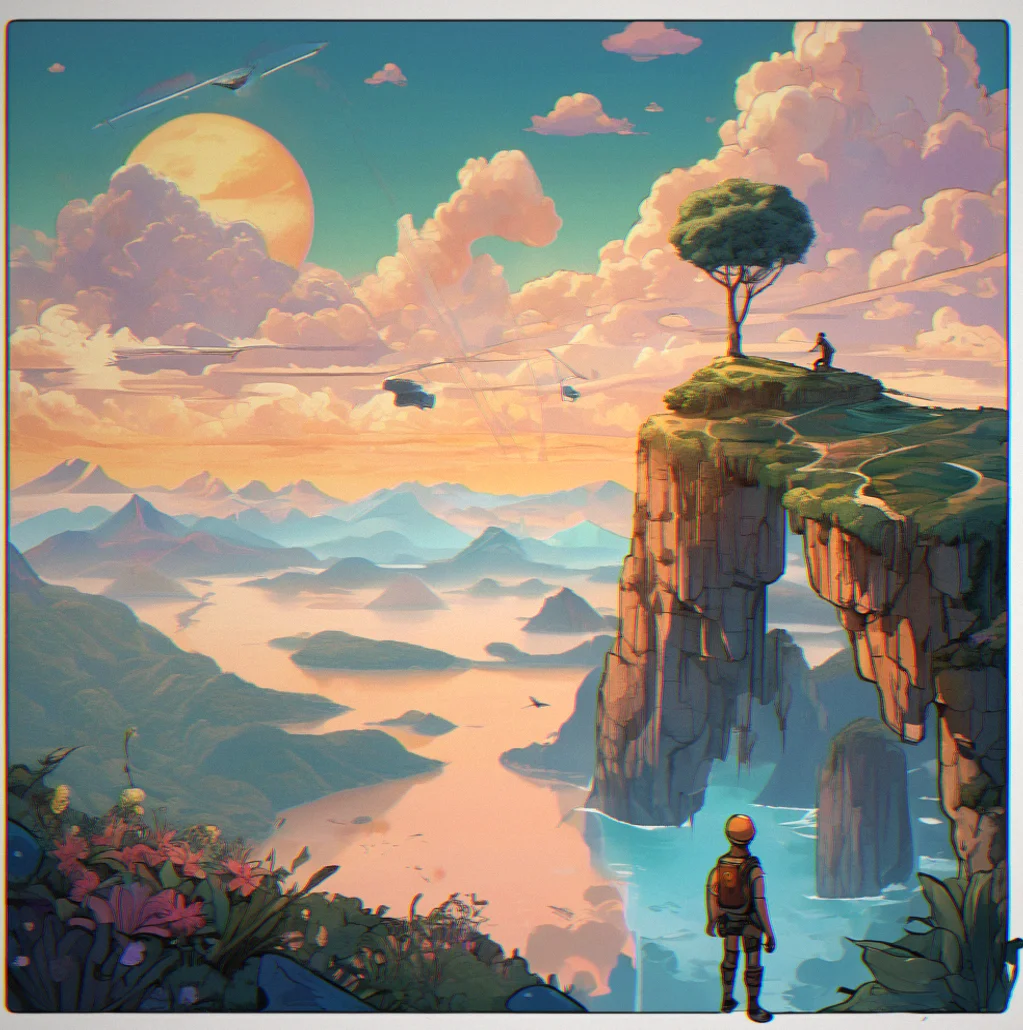
Each person you rescue adds another piece to the puzzle of what went wrong here.
How Arcadia Pilot Works
A game built around flight, discovery and the gaps between islands. No tutorials explaining mechanics — just your glider, the sky, and what you choose to pursue.
Customizable Glider Physics
Wing geometry and ballast distribution change how fast you climb, how tight you turn, and how far you glide. Sweep your wings back and you climb better in weak thermals. Push them forward and you slip through sky gates. You build what fits how you fly, not what wins tournaments.
Procedurally-Varied Islands
Every island generates differently. Cave networks aren't the same twice. Ruins pop up in new places. Rescue missions happen at different spots each run. But it's not chaos — once you understand how the archipelago works, it all makes sense.
Sky Gates as Puzzles
Timed courses with spinning stone rings. Wind currents visible as shimmer distortion. Threading a gate isn't filler — it's how islands stay locked behind skill instead of just story progress.
Non-Linear Exploration
No quest markers. No compass pointing the way. You spot an island and decide if you can reach it. Some take five minutes of flying. Others need you to hunt thermals for fifteen, manage your altitude carefully, nail the descent. Navigation is where choice actually lives.
Rescue Missions with Stakes
Stranded explorers in crashed vessels, temples, sky caves. Your fuel tank is small. You can't rescue everyone in one flight. Who do you reach first? Which path through the cavern reveals more of what happened? These decisions stick because fuel doesn't come back.
Environmental Storytelling
Architecture tells you things. Bioluminescent patterns show what civilizations were here before. Broken equipment explains how they ended up this way. But you piece it together yourself. The story comes from what you find, not from someone explaining it in dialogue.
40–80 Hours Without Grind
How long it takes depends on how fast you fly and how much you want to see. Skilled pilots cover more ground per session. People who hunt every ruin take longer. Nothing expires. No seasonal reset erases what you did. The archipelago stays there waiting for you.
The Archipelago in Motion
Most of the game happens between islands. That's where flying actually matters. Thermals pull you up. Wind pushes you sideways. Chase altitude for a few minutes and you'll stumble onto something you weren't looking for. These aren't about landing spots. They're about the flight itself, the moments that make gliding feel real.
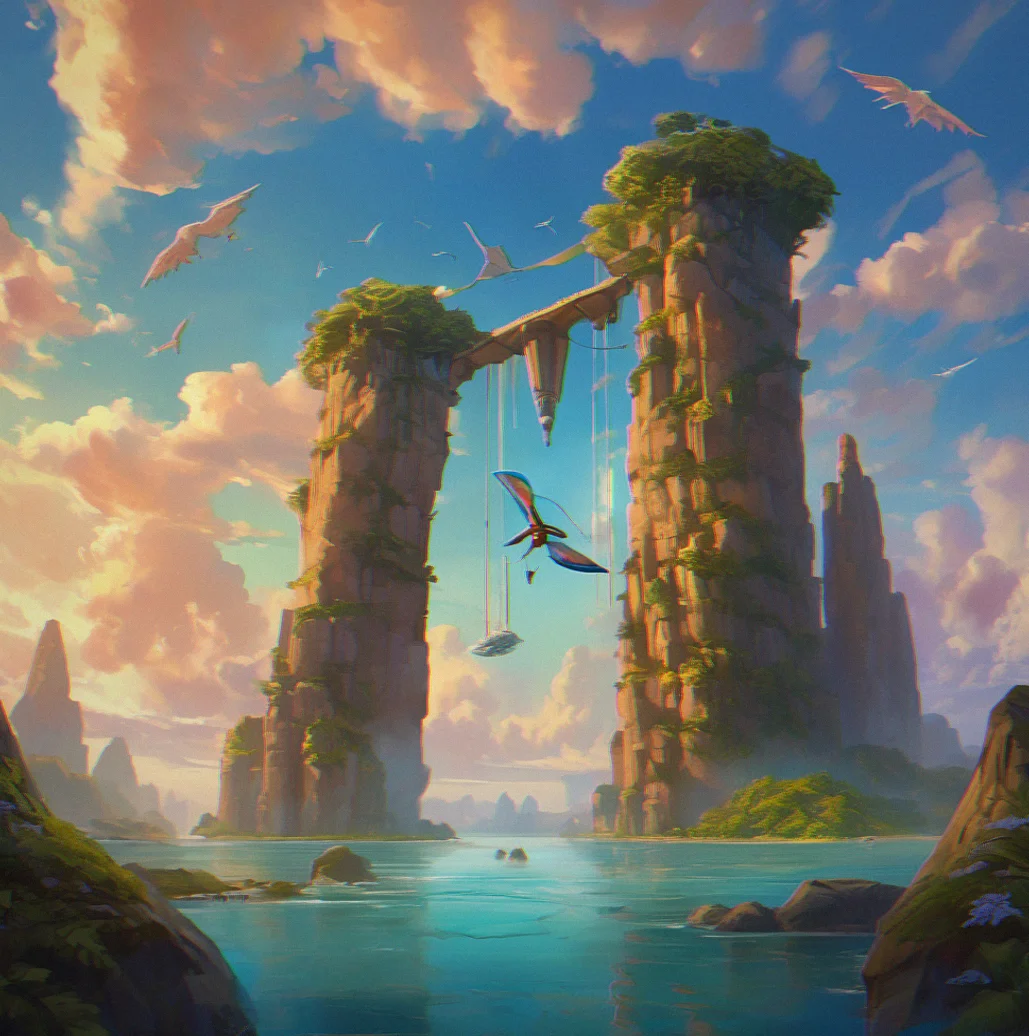
Threading a sky gate under time pressure
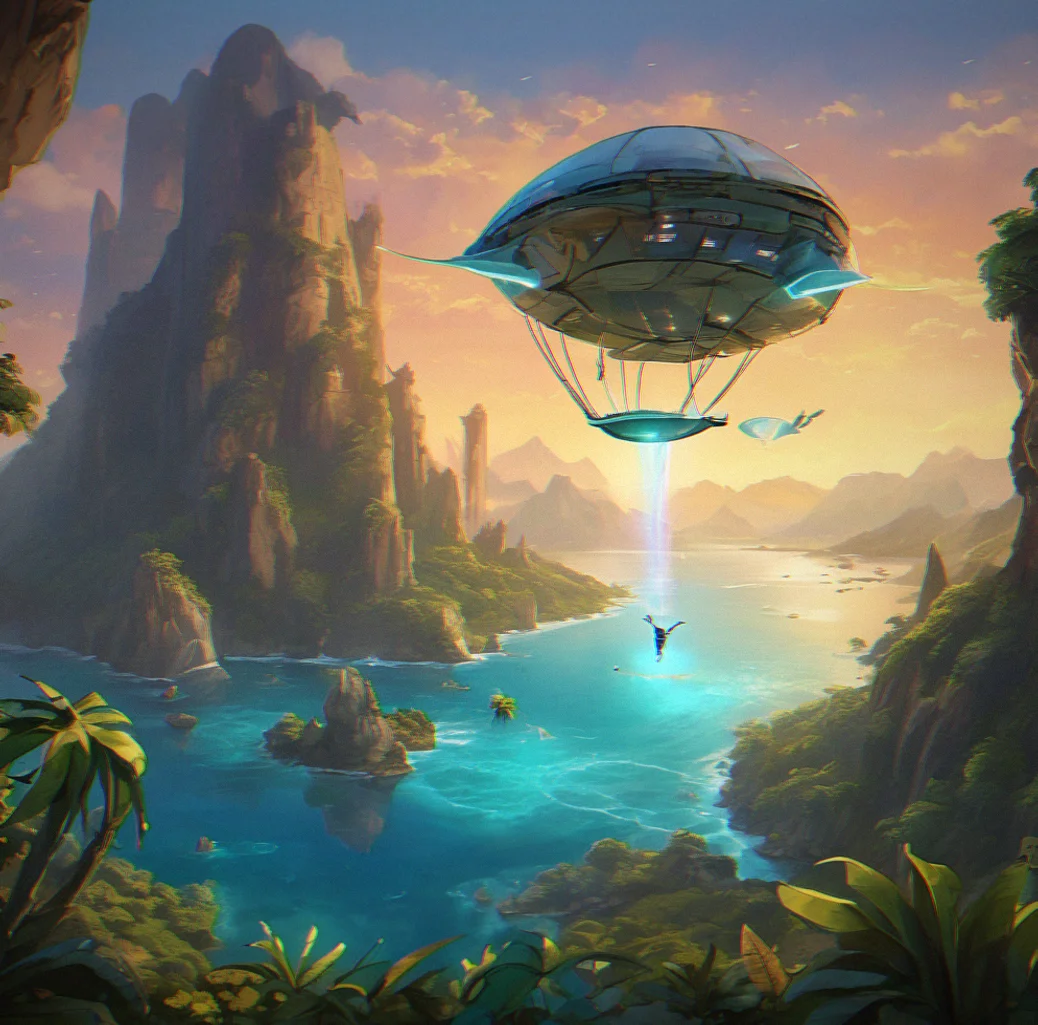
Approaching an island after navigating for a while
Moments from the Endless Sky
Six snapshots from different flights. Different islands, different weather, different choices. This is what 50 hours of gliding looks like — not a highlight reel, just the archipelago doing what it does.

First flight of the day. Everything's clear.

Threading the gate under pressure. These runs are all about speed.
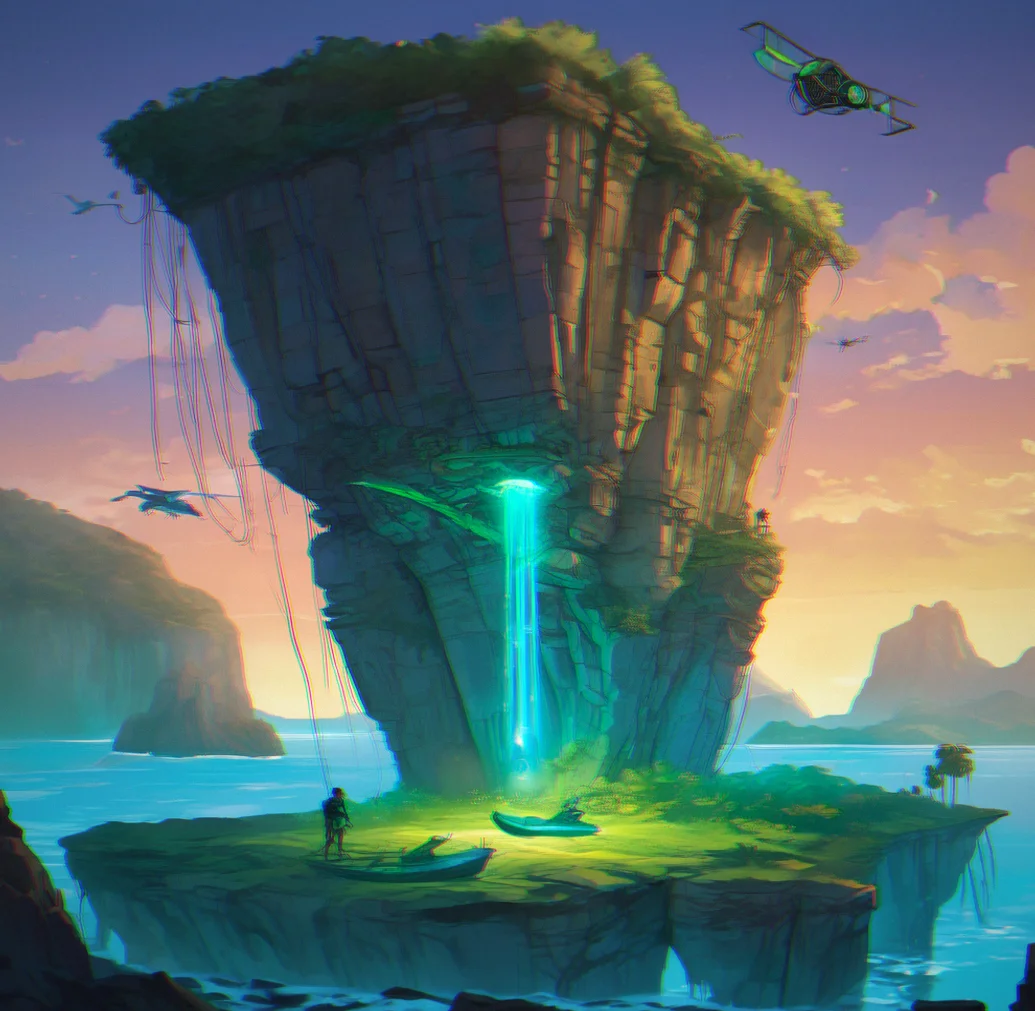
Finding something you weren't looking for. That rush never gets old.
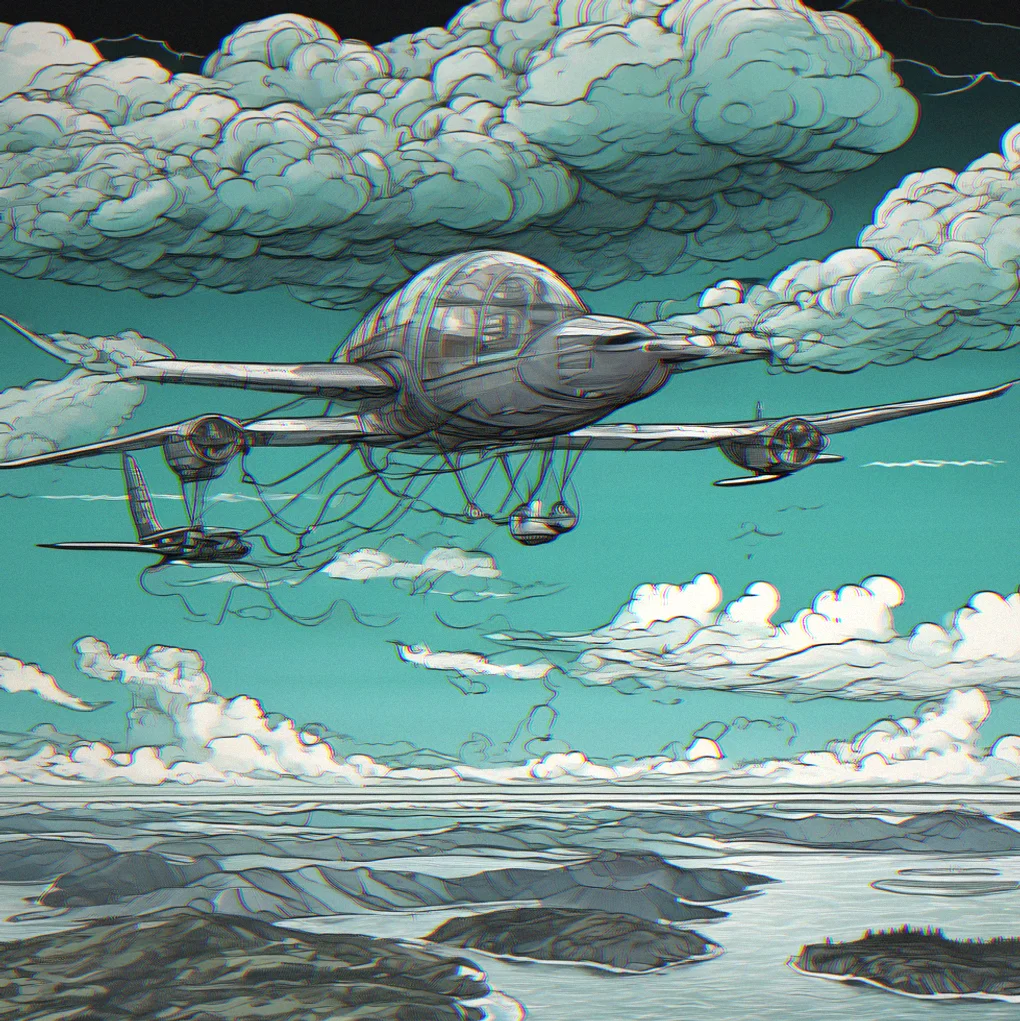
Weather can turn in minutes. Better to climb out while you can.

One shot at this landing, and fuel's running thin.
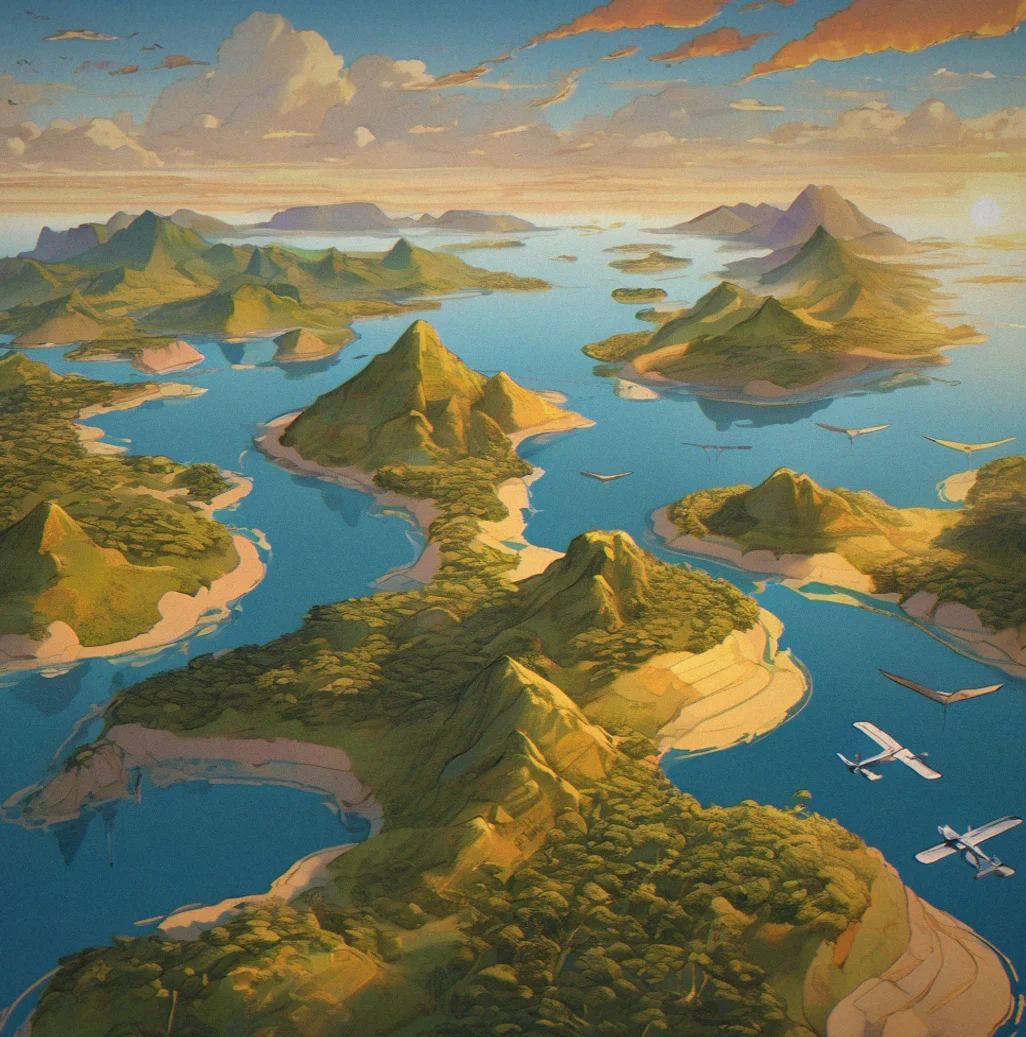
Just drifting at altitude. Letting the thermals pull you where they want.
What You Need to Know
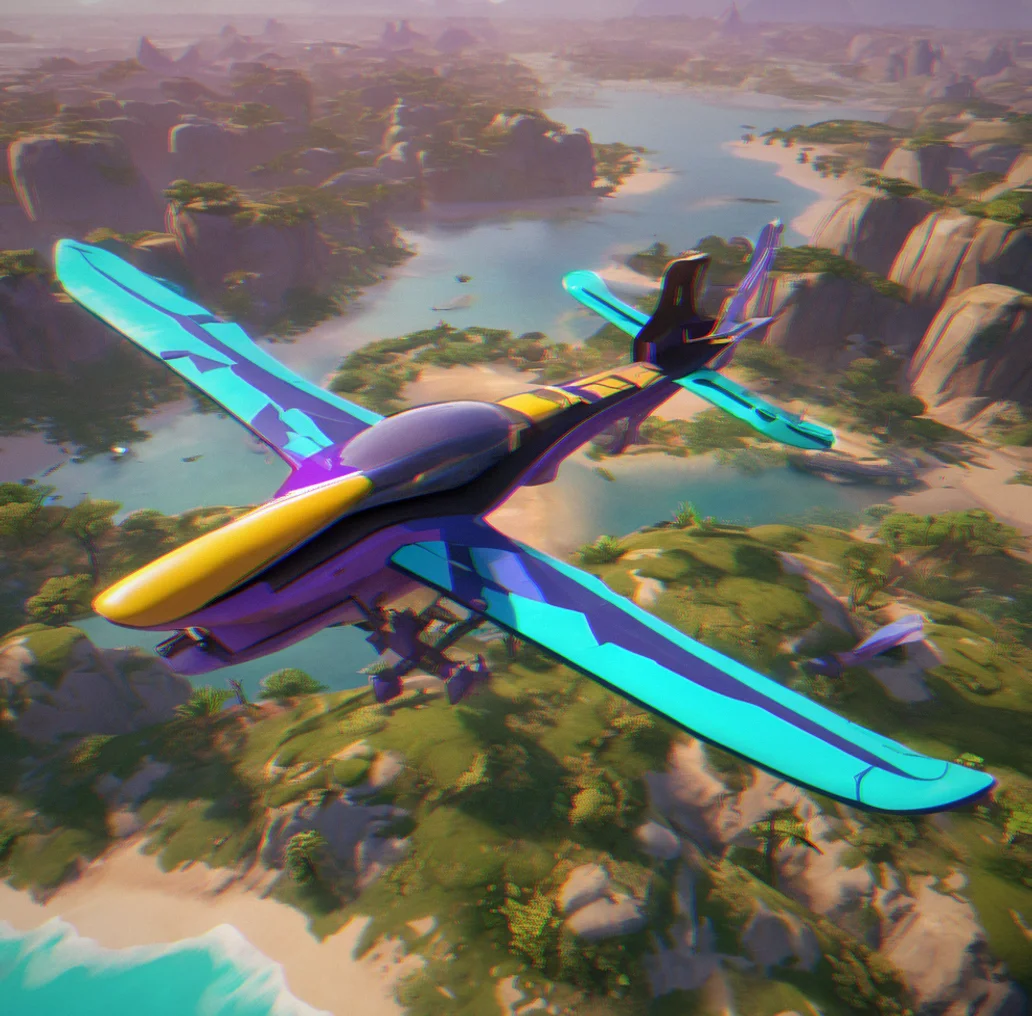
Glider Customization
Wing geometry, ballast distribution, control sensitivity — you set everything up before you launch. Forward-swept designs turn tight but you'll lose speed doing it. Broad swept-back shapes give you better climb in weak thermals. Pick what fits how you actually fly, not what someone's tier list decided is meta.
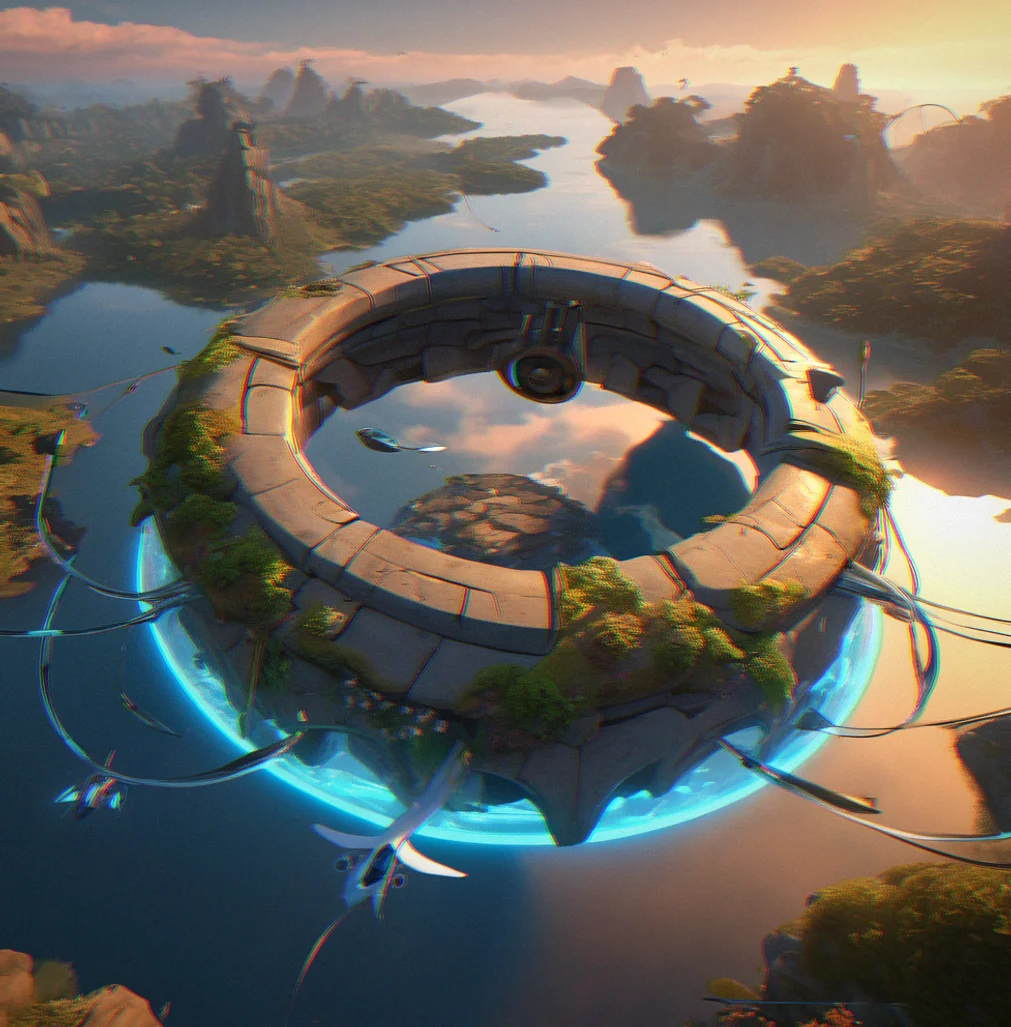
Sky Gates
Timed obstacle courses with rotating stone rings, wind currents and narrow gaps you have to thread through. They're not required — they're how the game keeps islands gated behind actual skill. Want to reach the far archipelago? You need to get fast enough to pass without hitting anything. That's it.
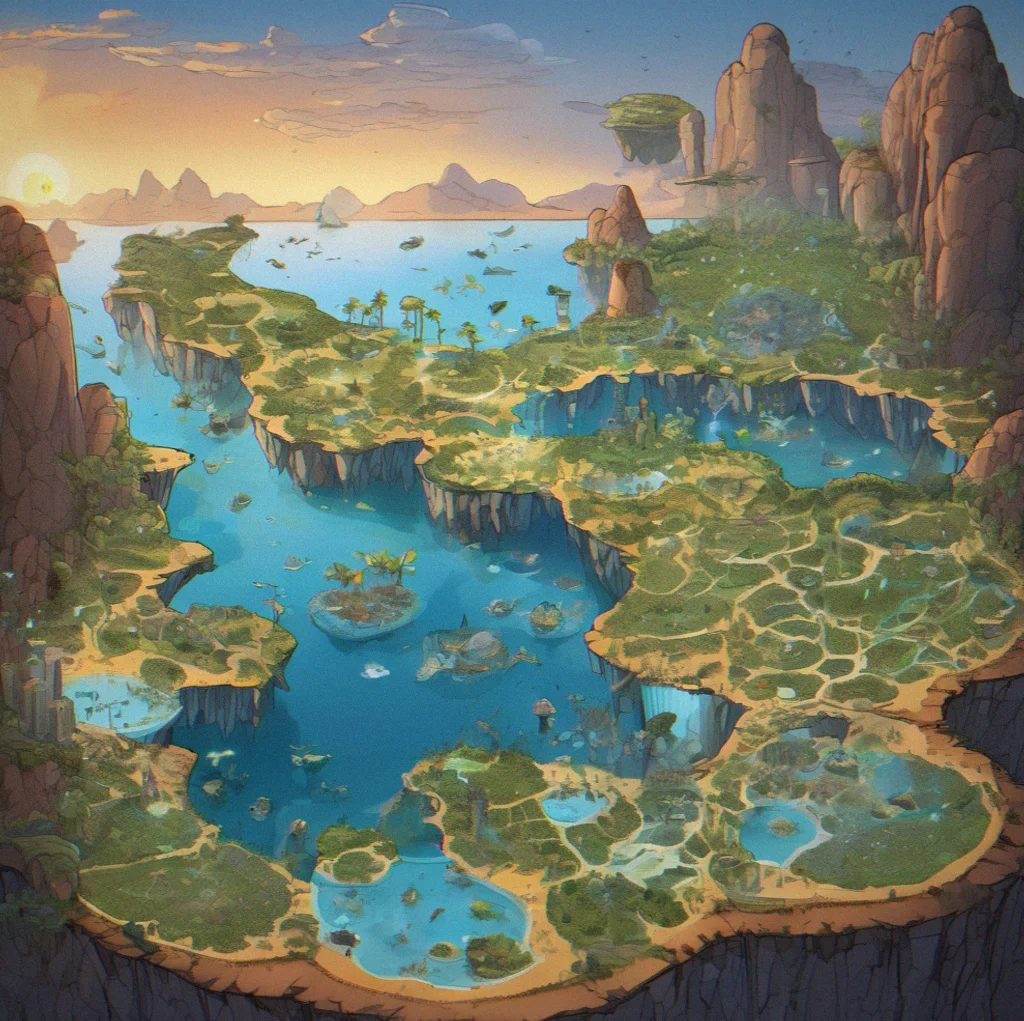
Procedural Islands
Every island generates with different cave layouts, ruin placements and rescue locations. The biome rules stay the same. The environmental logic stays the same. Everything else changes. You learn the principles instead of memorizing one path.
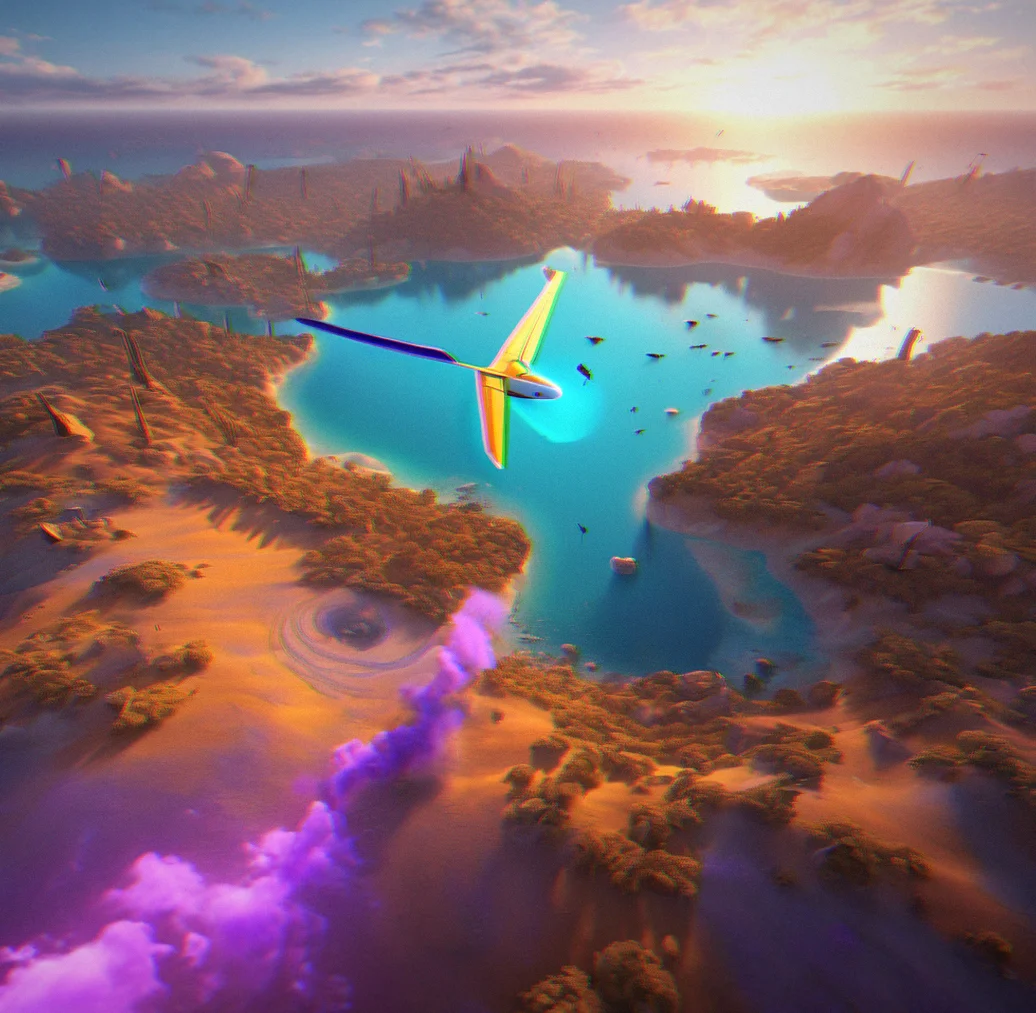
Thermal Hunting
Warm air columns push you upward. You learn to read the landscape for them — cliffs create thermals, dark rock absorbs heat, wind patterns give hints about where the lift is. After about 8 minutes of chasing altitude you start developing an instinct for where they'll show up.
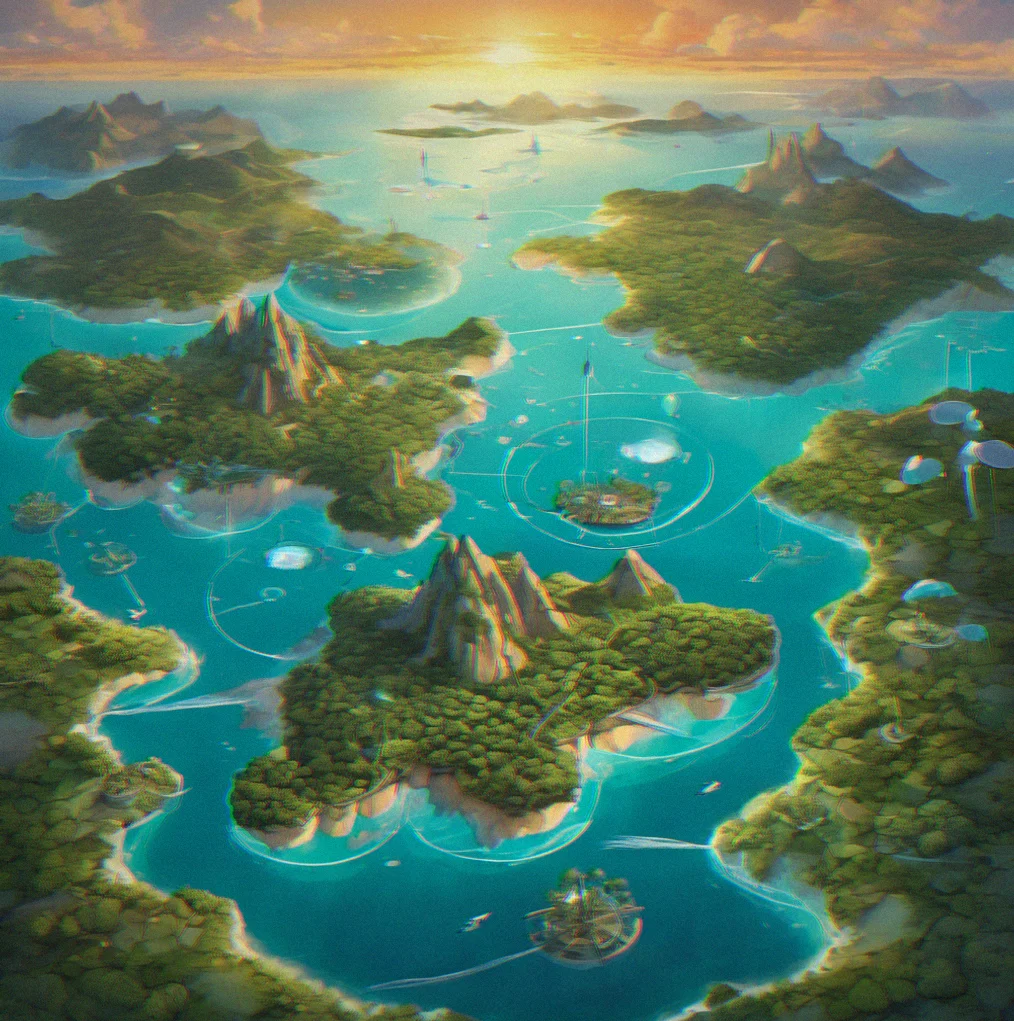
Non-Linear Progression
There's no quest log telling you what to do next. You see an island out there. You decide if you can make it. Some are just a few minutes away. Others need 20 minutes of careful navigation. That space between spotting something and actually flying there to reach it — that's where everything happens.
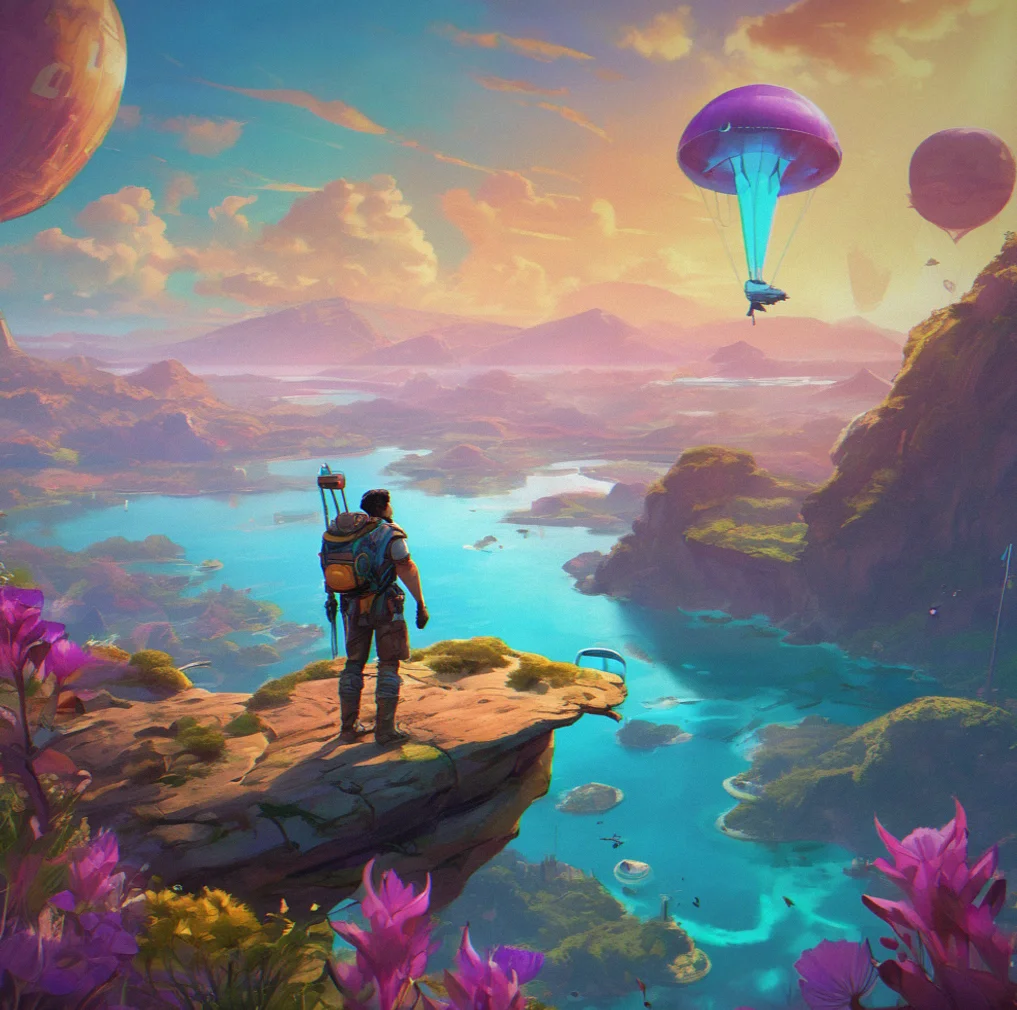
Rescue Missions
Explorers trapped in crashed vessels, temples, sky caves. Your fuel is limited. You can't save everyone in one flight. Which survivor do you reach? Which way through the cavern gives you more story? These choices matter because resources don't come back during a session.
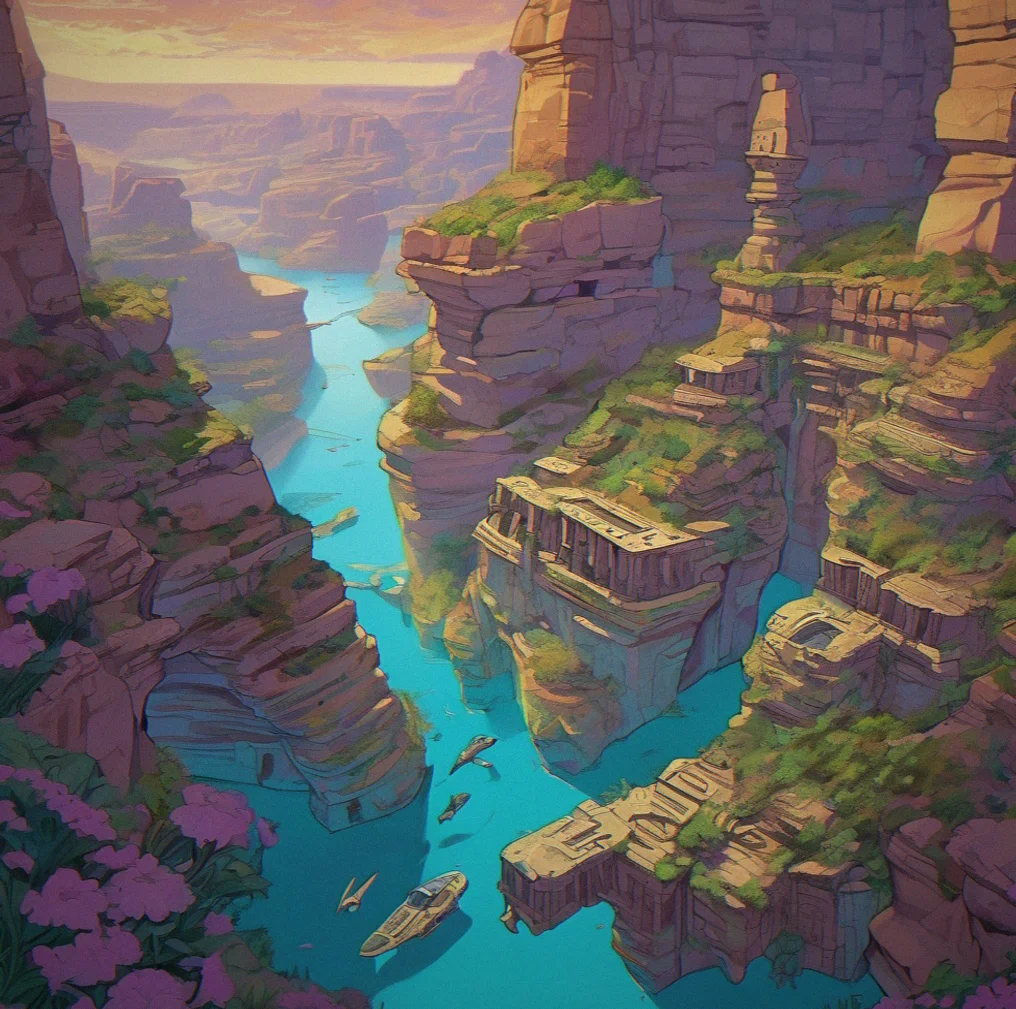
Environmental Narrative
The ruins tell you things through how they're built and where they're placed. Bioluminescent patterns follow logic. Broken equipment shows you what happened. You piece it together yourself. The story comes from what you find, not from cutscenes spelling everything out — and that actually matters.
Flight Time Flexibility
Somewhere between 40 and 80 hours depending on how you approach it. Fast pilots see more islands per session. People who hunt every ruin and dig into the environmental details take longer. Nothing expires. No seasonal resets. The archipelago's there whenever you want to fly.
What It's Not
Not a flight simulator where you calculate fuel consumption. Not combat. Not a loop where you fly the same route over and over for points. Not competitive. Not a live service designed to keep you checking in. Just flying, finding things and getting better at it.
Common Questions
Before You Launch
These are atcual questions from people trying to figure out if Arcadia Pilot is for them. No corporate messaging here — just straightforward answers about what the game actually does and what it doesn't.
Isn't this just a flignt sim with prettier graphics?
Not really. Traditional flight sims are all about fuel mixtures, engine management, navigation systems. What Arcadia Pilot cares about is glide ratio, thermal dynamics, descent rate — and you learn it through feel instead of reading instruments. After maybe 5 or 6 hours of flying, your hands just know how the glider reacts to different air conditions. You're never doing math.
Can I play this if I'm bad at timing-based challenges?
Yeah. Sky gates are actually optional if you'd rather just explore and skip the harder islands. Most of the archipelago opens up without you needing perfect timing. The easier gates are theere to teach you how things work before you get to the ones that actually demand skill. It's tough when you want it to be, but it doesn't force that on you.
How much content is there, and will I run out after 40 hours?
The islands generate differently each time you visit them. Cave systems shift around, ruins appear in new places, rescue missions pop up in unexpected spots. A player who puts in 40 hours will hit different limits than someone who plays twice that long. The island chain is big enough that even on a second run, you're still finding pockets you missed.
But doesn't exploration get boring once you've found everything?
You won't find everything, and that's by design. Some ruins only show up if you're at the right altitude during a particular time of day. Rescue missions branch into new storylines depending on who you've already saved. The world actually rewards you for going back and looking closer.
Is there multiplayer, or combat, or any competitive element?
Nope to all of that. Single-player experience. No leaderboards, no fighting other players, no battle pass grinding. Since there's no progression treadmill keeping you logged in, the game doesn't need to trap you with FOMO or seasonal resets. You play it, you finish it or you don't, and then you move on. That's it.
Stay in the loop about new islands, sky gates, and rescue missions.
You'll get monthly updates straight from the archipelago. Think patch notes that actually mean something, fresh procedural island layouts and some real talk about what makes exploration click. We keep it real — no sales pitch, no fluff.